Quick answer: TPO is the better choice when reflectivity and lower summer cooling costs matter, such as a conditioned warehouse, retail box, or office building. EPDM is the better choice when maximum lifespan and cold-weather flexibility matter more than energy savings. Both are proven; the right one depends on how the building is used.
If you manage a flat-roof commercial building in New Jersey, New York City, or Long Island and the roof is due for replacement, the conversation with almost any contractor will come down to the same two options: TPO or EPDM. They are both single-ply membranes, both installed in large sheets over insulation, and both have decades of field history. That is where the similarities end, and choosing the wrong one for the building is an expensive mistake that does not show up for years.
What TPO Is
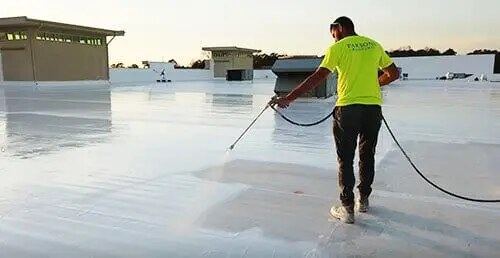
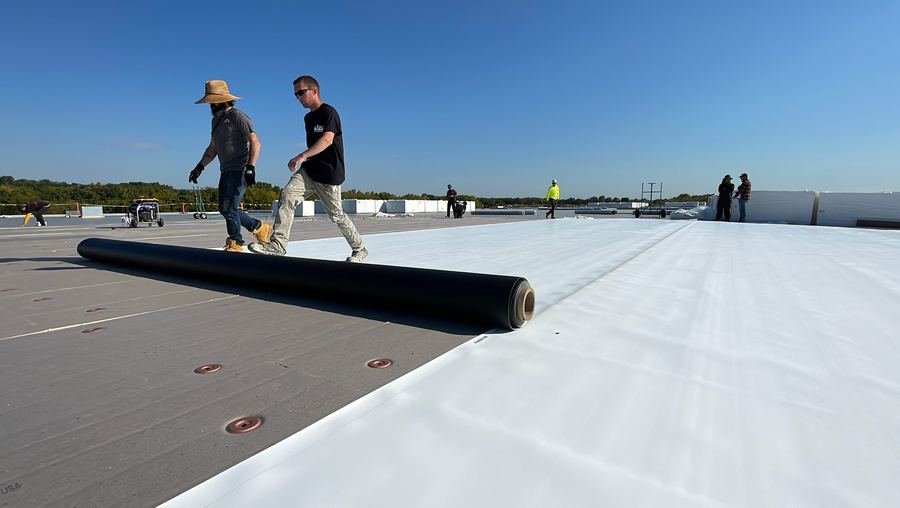
TPO stands for thermoplastic polyolefin. It is a white (or light gray) membrane, usually 45 to 80 mils thick, reinforced with a polyester scrim. The defining feature is how the seams are made: overlapping sheets are welded together with hot air, so the seam becomes a single piece of material rather than two pieces held by glue. A correctly welded TPO seam is as strong as the sheet itself.
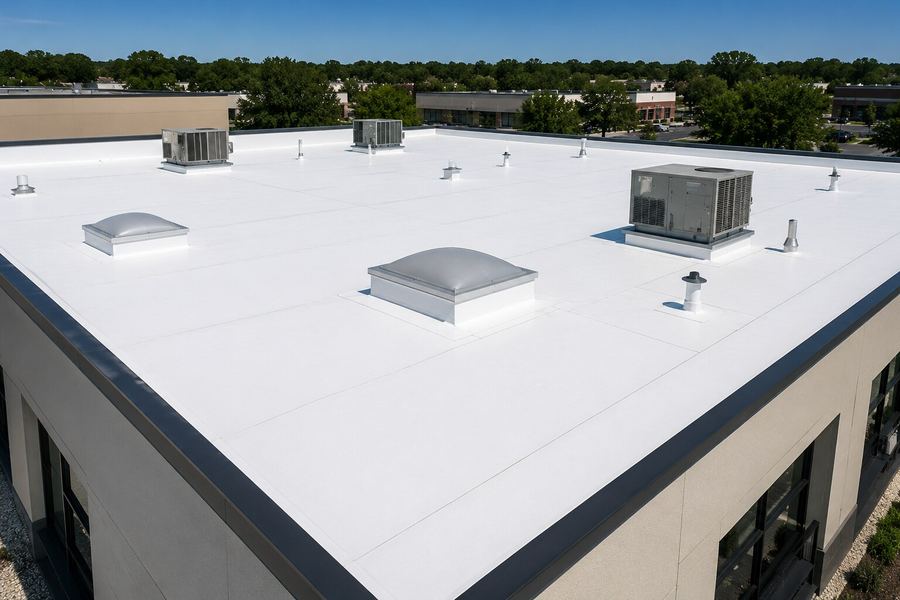
The white surface is the other headline. TPO reflects a large share of solar radiation, which on a big flat roof over a conditioned space translates directly into a lower cooling load on the rooftop HVAC units.
What EPDM Is
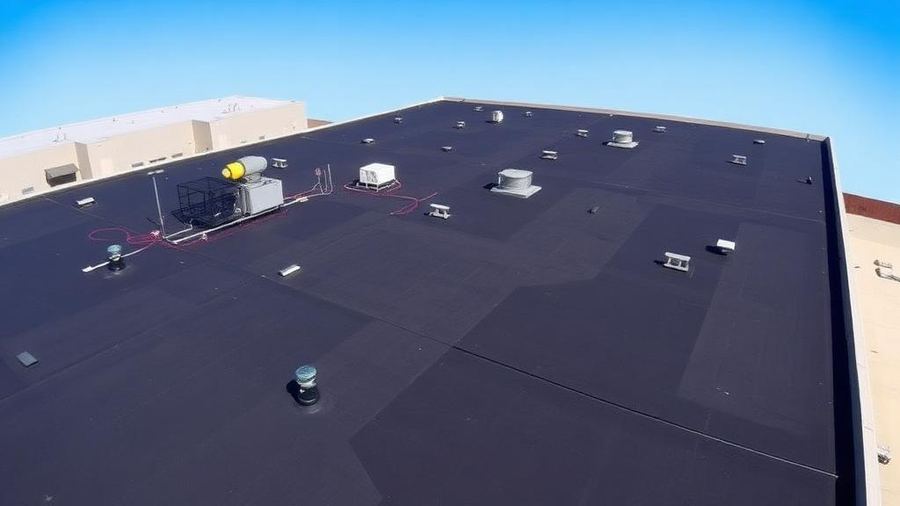
EPDM is a synthetic rubber, ethylene propylene diene monomer, and it has been on commercial roofs since the 1960s. It is typically black, though white-surfaced versions exist. Sheets are joined with seam tape or adhesive rather than heat. EPDM is extremely flexible, especially in cold weather, and it tolerates building movement, UV exposure, and hail well. Many EPDM roofs installed decades ago are still in service.
Side-by-Side Comparison
| Factor | TPO | EPDM |
|---|---|---|
| Seam method | Hot-air welded | Tape or adhesive |
| Surface color | White, reflective | Black (white available) |
| Summer cooling impact | Reduces cooling load | Absorbs heat |
| Cold-weather flexibility | Good | Excellent |
| Puncture resistance | High | Moderate |
| Grease and oil exposure | Tolerates most | Sensitive |
| Field history | Since the 1990s | Since the 1960s |
| Installation sensitivity | Weld temperature and speed are critical | Seam prep and adhesive are critical |
When TPO Is the Right Call
Choose TPO when the building is air-conditioned through the summer and the roof is large relative to the building volume. Warehouses and distribution centers, big-box retail, single-story office parks, and grocery-anchored plazas all fit this profile. The energy savings are real and they show up every summer for the life of the roof. TPO also handles rooftop foot traffic and equipment service well because of its puncture resistance, and it is the better choice under restaurant exhaust because it tolerates grease.
When EPDM Is the Right Call
Choose EPDM when the priority is the longest possible service life with the least maintenance, and cooling costs are not a major line item. Buildings that are unconditioned or lightly conditioned, buildings in shaded urban locations, and owners who plan to hold the asset for decades all lean toward EPDM. Its cold-weather flexibility is a genuine advantage in a Northeast winter, where a stiff membrane can crack at flashings during freeze-thaw cycles.
What Matters More Than the Membrane
In our experience, the membrane brand matters less than three other things. First, installation quality: a badly welded TPO seam or a poorly prepped EPDM seam will fail regardless of how good the material is. Second, drainage: a roof that ponds will shorten the life of any membrane. Third, details: curbs, parapets, drains, and penetrations are where roofs actually leak, and the flashing work there deserves more scrutiny than the field of the roof. Ask any contractor bidding your roof how they test seams and how they handle details, and listen to how specific the answer is.
How to Decide
Start with the building, not the product. How is the space conditioned? What tenants are under the roof and what is on top of it? Is the existing insulation dry, or does the roof need a tear-off regardless? What is the drainage situation? A contractor who inspects the roof and asks those questions before recommending a membrane is doing it right. One who leads with a product is selling what they stock.
If you want a recommendation for a specific building in New Jersey, New York City, or Long Island, a roof assessment answers it. We install both systems and we will put the reasoning in writing.