Silicone Roof Coatings
A silicone coating system can restore an aging commercial roof and add years of service life at a fraction of full replacement cost.
A silicone roof coating is a fluid-applied restoration system that seals an existing commercial roof with a seamless, waterproof, reflective membrane. It is applied over TPO, EPDM, modified bitumen, metal, and built-up roofs that are worn but structurally sound, and it avoids the cost, disruption, and landfill waste of a tear-off. Cardin Commercial Roofing installs silicone coating systems on commercial buildings across New Jersey, New York City, and Long Island.
Not every aging roof needs to come off. If the membrane is worn, chalking, or showing minor seam and flashing fatigue but the insulation underneath is dry and the deck is sound, a silicone restoration is often the most capital-efficient move a property owner can make. No tear-off, no crane days, no tenants disrupted, and a renewed roof surface with its own warranty.
How a Silicone Restoration Works
- Inspection and moisture survey. A coating only works over a dry roof. We inspect the membrane and check for trapped moisture in the insulation. Wet areas are cut out and replaced before anything goes on.
- Repairs and prep. Failed seams, flashings, and penetrations are repaired. The roof is power-washed and, where required, primed.
- Reinforcement at details. Seams, curbs, drains, and penetrations get a reinforcing fabric and base coat, because that is where roofs leak.
- Silicone application. The coating is spray- or roller-applied across the entire roof to the thickness the manufacturer specifies for the warranty term. Thickness is measured as we go.
- Inspection and closeout. Final thickness verification and documentation for your records.
Why Property Managers Choose Coatings
- No tear-off. The existing roof stays in place, which means no demolition, no dumpsters, and no exposed building.
- No disruption. Retail, office, and warehouse tenants keep operating. There is no crane on the street and no interior access needed.
- Reflective surface. White silicone reflects solar heat and can noticeably lower summer cooling loads on a conditioned building.
- Ponding-water resistant. Unlike acrylic coatings, silicone holds up under standing water, which matters on flat roofs with drainage issues.
- Renewable. At the end of the warranty term, the roof can typically be cleaned and recoated rather than replaced.
- Often treated as maintenance. Many owners are able to classify a restoration coating differently from a capital replacement. Ask your accountant.
Is Your Roof a Good Candidate?
Good candidates are roofs with a sound deck, dry insulation, and a membrane that is worn but not structurally failed. Poor candidates are roofs with widespread wet insulation, multiple layers, or deck deterioration. The honest answer comes from a moisture survey, not a sales pitch. If a coating is not the right call, we will say so and lay out the repair or replacement alternatives.
Which Roofs Can Be Coated
Silicone bonds well to TPO, EPDM, modified bitumen, built-up (BUR), metal, and spray foam roofs. Each substrate has its own prep and primer requirements, which are part of the written scope.
What Drives the Cost
Total square footage, how much repair and prep the existing roof needs, the amount of detail work at seams and penetrations, the coating thickness required for the warranty term you choose, and access. A restoration is typically a fraction of the cost of replacement, and the written scope shows you exactly where the money goes.
Request a Quote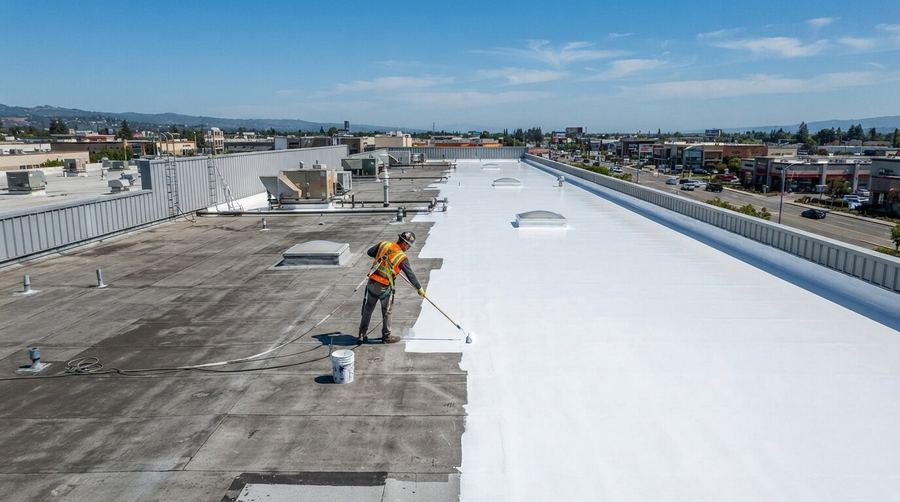
Talk to a commercial roofer
Property managers, GCs, and building owners across NJ, NYC, and Long Island. Commercial properties only.
(201) 305-9236Silicone Roof Coatings FAQ
How long does a silicone roof coating last?
Coating systems are typically warranted for ten to twenty years depending on the thickness applied, and at the end of that term the roof can usually be cleaned and recoated instead of replaced.
Can any commercial roof be coated?
No. The roof has to be structurally sound with dry insulation. Roofs with widespread trapped moisture, multiple layers, or deck damage are not candidates. A moisture survey before quoting tells us which category your roof is in.
Is a silicone coating cheaper than replacing the roof?
Yes, in almost every case, because there is no tear-off, disposal, or new insulation. The exact savings depend on how much prep and repair the existing roof needs.
Does the coating stop leaks?
A properly installed silicone system creates a seamless waterproof surface and seals the seams and flashings where most leaks originate. Existing leaks are repaired during prep, before the coating goes on, so the finished roof is watertight from day one.
Will a coating disrupt my tenants?
Very little. There is no demolition, no crane, and no need for interior access. Most tenants notice only the crew on the roof and a brief odor during application.
Other Commercial Roofing Services
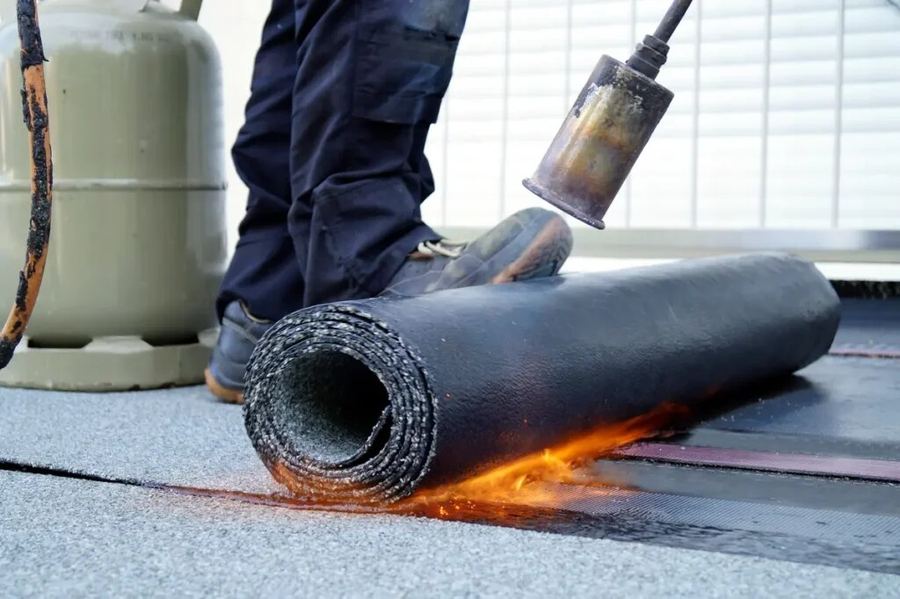
Commercial Roof Replacement
Full tear-off and replacement for aging or failing commercial roof systems.
Learn more ›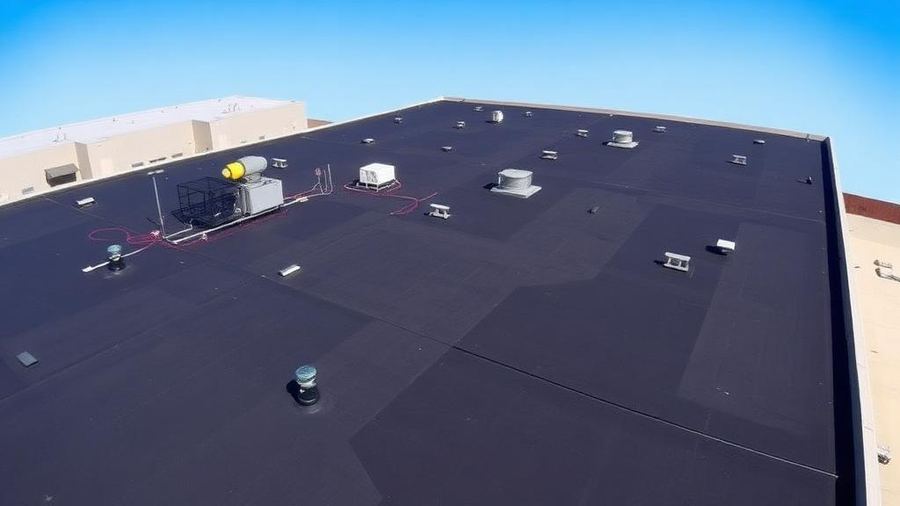
TPO & EPDM Roofing Systems
Single-ply membrane installation engineered for low-slope commercial roofs.
Learn more ›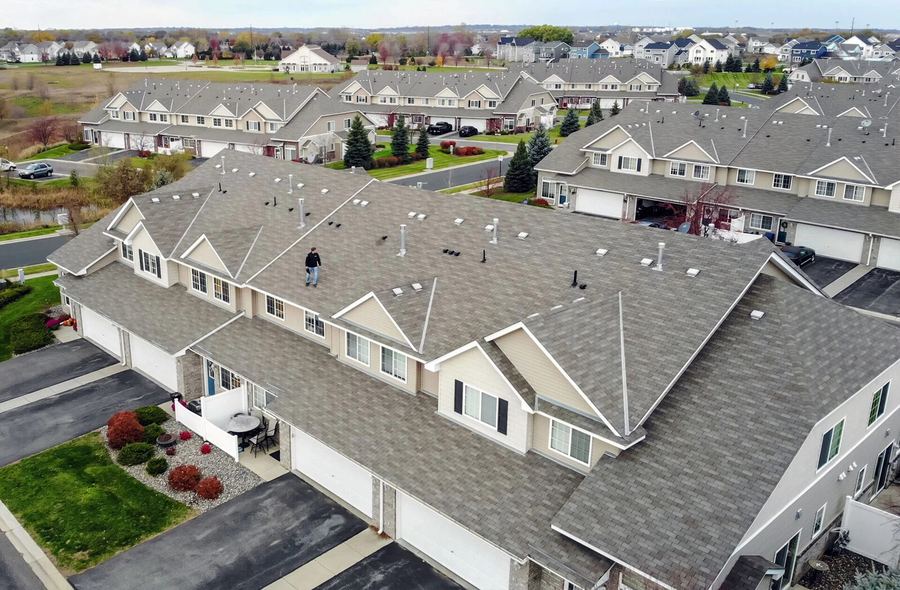
Commercial Shingle Roofing
Architectural and laminate shingle roofing for multi-family and pitched-roof commercial buildings.
Learn more ›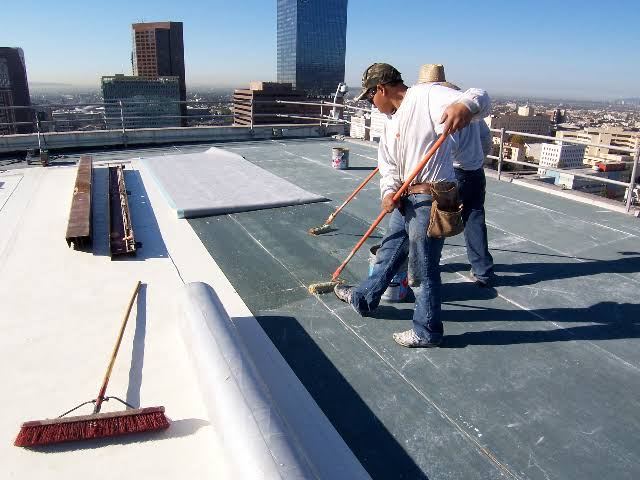
Roof Repair & Maintenance
Leak repair, preventive maintenance programs, and roof asset management.
Learn more ›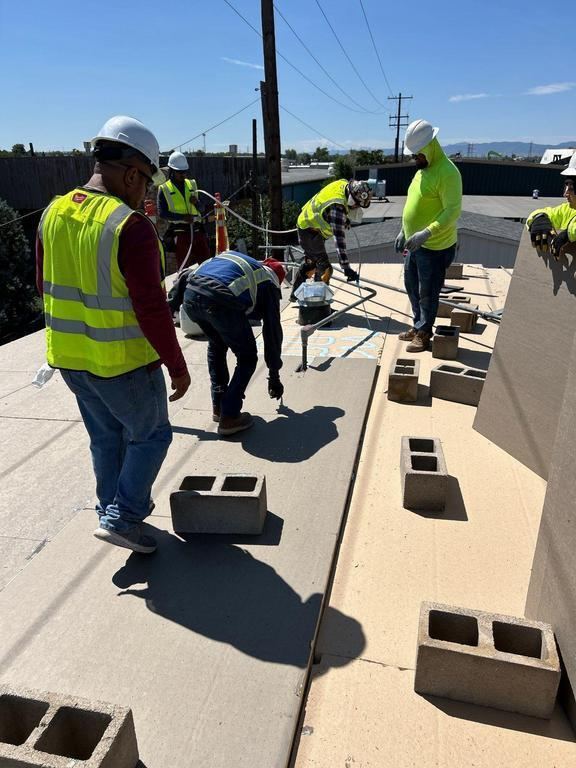
Emergency & Storm Response
Rapid response for storm damage, active leaks, and emergency conditions.
Learn more ›